






Fire Protection Specialists
With over 130 years of experience, Wormald is the specialist in fire safety in Australia.

 Online payment
 Online store
Fire Protection Specialists
With over 130 years of experience, Wormald is the specialist in fire safety in Australia.

Fire Extinguishers
Your First Line of Defence
A potential fire can often be controlled before it really takes hold, if the right fire extinguisher is close at hand. Wormald offers a range of portable fire extinguishers to suit all types and classes of fires and offers complete fire extinguisher testing to comply with Australian standards. Wormald can help. you choose the right extinguisher to suit your business and service and maintain your fire extinguishers to meet Australian standards and compliance.
Classes of Fire Definitions:
Class A – Wood, paper, plastics
Class B – Flammable & combustable liquids
Class C – Flammable gases
Class E – Energised electrical equipment
Class F – Cooking oils & fats
- Green = Suitable
- Red = Not Suitable
- Orange = Limited
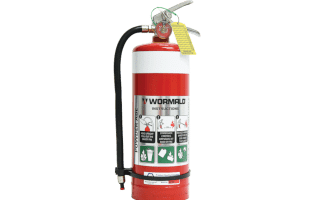
Powder Fire Extinguishers (ABE)
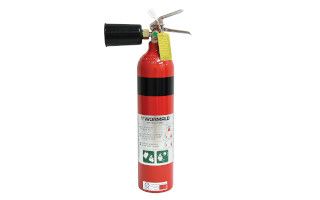
CO2 Fire Extinguishers
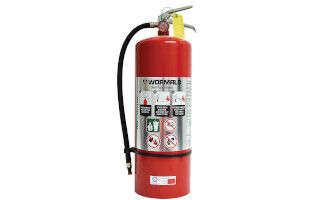
Water Fire Extinguishers
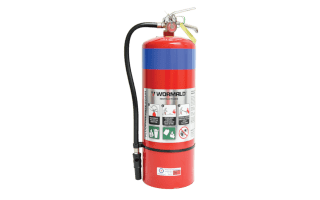
Foam Fire Extinguishers
Classes of Fire: ABCEF
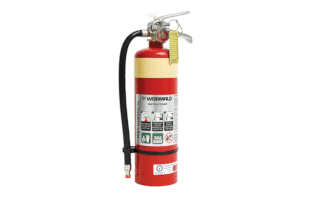
Wet Chemical Fire Extinguishers
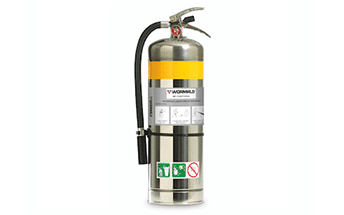
MR Conditional Fire Extinguishers
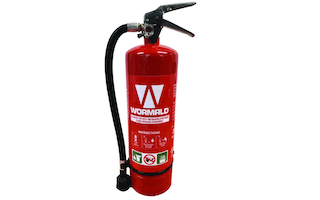
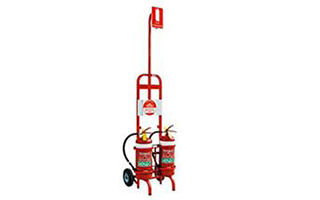
What are the different types of fire extinguishers?
There are 6 types of Fire Extinguishers.
- Dry Chemical Powder
- Carbon Dioxide
- Water
- Foam
- Wet Chemical
- Vaporising Liquide
What is the Australian standard for fire extinguishers?
The Australian standards for Fire Extinguishers are:
- AS 1841 (Design and performance)
- AS 1851 (Maintenance)
- AS 2444 (Installation)
Can I service my own fire extinguisher?
No, Under the Australian Standards you must be a competent person trained and skilled (Some states require Licencing EG QLD).
BUT a domestic fire extinguisher should be looked at to see if the extinguisher is still registering full and in the Green.
What are the different classes of fires?
There are 6 classes of fires.
- Class A – Ordinary combustibles
- Class B – Flammable liquids
- Class C – Flammable gases
- Class D – Combustible metals
- Class E – Electrical equipment
- Class F – Cooking oils and fats
What are the different colours of fire extinguishers?
Most extinguishers these days are completely RED in colour with the bands on the extinguisher are different colours
- White – Dry Chemical Powder
- Black -Carbon Dioxide
- Red – Water (No Band)
- Blue – Foam
- Oatmeal – Wet Chem
- Yellow – Vaporising Liquide
What is the best fire extinguisher for home use?
Dry Chemical powder and a fire blanket 1.8 x 1.2, 1 or 2Kg with hose.
A potential fire can often be controlled before it really takes hold, if the right fire equipment is close at hand. Wormald offers a range of portable fire extinguishers to suit all types and classes of fires.


Wormald Direct provides easy, instant access to data relating to Service Calls and Test Results
Learn More

We supply training solutions to help you and your staff
Non-Accredited Training
-
- Warden Training
- Warden Refresher Training (ECO Refresher)
- Scenario Based Warden Training (ECO Refresher)
- Chief Warden Training
- Emergency Exercise Training
- Emergency Awareness Training
- Panel Awareness Training
- Spill Response Training
- Emergency Officer / Coordinator Training
- Fire Extinguisher Training
Accredited Training (RTO Provider Number 2839)

Non-Accredited Training
-
- Warden Training
- Warden Refresher Training (ECO Refresher)
- Scenario Based Warden Training (ECO Refresher)
- Chief Warden Training
- Emergency Exercise Training
- Emergency Awareness Training
- Panel Awareness Training
- Spill Response Training
- Emergency Officer / Coordinator Training
- Fire Extinguisher Training
Accredited Training (RTO Provider Number 2839)
Non-Accredited Training
-
- Warden Training
- Warden Refresher Training (ECO Refresher)
- Scenario Based Warden Training (ECO Refresher)
- Chief Warden Training
- Emergency Exercise Training
- Emergency Awareness Training
- Panel Awareness Training
- Spill Response Training
- Emergency Officer / Coordinator Training
- Fire Extinguisher Training
Non-Accredited Training
-
- Warden Training
- Warden Refresher Training (ECO Refresher)
- Scenario Based Warden Training (ECO Refresher)
- Chief Warden Training
- Emergency Exercise Training
- Emergency Awareness Training
- Panel Awareness Training
- Spill Response Training
- Emergency Officer / Coordinator Training
- Fire Extinguisher Training
Non-Accredited Training
-
- Warden Training
- Warden Refresher Training (ECO Refresher)
- Scenario Based Warden Training (ECO Refresher)
- Chief Warden Training
- Emergency Exercise Training
- Emergency Awareness Training
- Panel Awareness Training
- Spill Response Training
- Emergency Officer / Coordinator Training
- Fire Extinguisher Training
Non-Accredited Training
-
- Warden Training
- Warden Refresher Training (ECO Refresher)
- Scenario Based Warden Training (ECO Refresher)
- Chief Warden Training
- Emergency Exercise Training
- Emergency Awareness Training
- Panel Awareness Training
- Spill Response Training
- Emergency Officer / Coordinator Training
- Fire Extinguisher Training
Certified For It
AS4801, ISO9001 and ISO14001 accredited and dedicated to quality, efficient and consistent service delivery.
Lorem ipsum dolor sit amet, consectetur adipiscing elit. Ut sollicitudin, turpis ut aliquet vulputate, lorem neque bibendum tellus, vitae aliquam mauris dolor et orci.
Certified For It
AS4801, ISO9001 and ISO14001 accredited and dedicated to quality, efficient and consistent service delivery.
Fire Equipment Enquiry